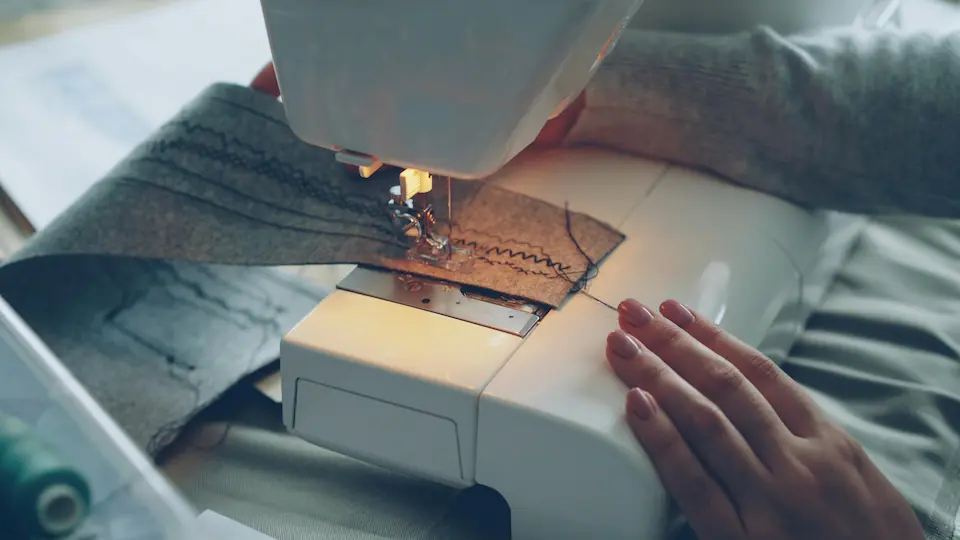
In a fashion world filled with fast trends, copied designs, and mass-produced accessories, handmade leather goods still carry a different kind of value.
They are not only bought because they are useful. They are chosen because they feel personal, durable, expressive, and connected to the hands that made them.
At Zone A Limited, this belief sits at the heart of our work.
Founded in 2020 by Zainab Okhayole Zuberu, Zone A was created to celebrate premium Nigerian craftsmanship through handmade leather bags, footwear, and fashion accessories. From Benin City, Edo State, we create pieces that bring together quality leather, African heritage textiles, and modern everyday style.
For us, a bag is not just an accessory. It is part of how a woman moves through her day, expresses her taste, carries her essentials, and presents herself with confidence.
That is why every Zone A piece is approached with care, from the first design idea to the final finishing touch.
In this article, we will take you through the meaning of handmade Nigerian leather craftsmanship, what makes a quality leather bag different, how African textiles like Aso-oke and Ankara add cultural identity, and why handmade pieces remain a valuable investment.
Why Handmade Leather Craftsmanship Still Matters
Handmade leather craftsmanship is about more than cutting and stitching material together. It is the process of turning raw materials into a product with structure, beauty, and personality.
A handmade bag often carries details that make it feel more intentional: the way the leather is selected, how the shape is balanced, how the stitching follows the form, how the edges are finished, and how the final product feels when carried.
Unlike mass-produced fashion, where speed and quantity are often the priority, handmade craftsmanship gives attention to the details that affect durability, comfort, and long-term use.
For customers, this means a handmade leather bag is not just another item in the wardrobe. It becomes a trusted piece that can serve different occasions: work, events, travel, casual outings, and special moments.
For Zone A, craftsmanship matters because it allows us to create fashion that feels refined, functional, and rooted in Nigerian creativity.
To see more about how our pieces are created, you can also explore our handmade craft process on the Our Craft page.
The Rise of Premium Handmade Fashion in Nigeria
Nigerian fashion has always been bold, expressive, and deeply connected to identity. From traditional fabrics to modern silhouettes, fashion in Nigeria is often a statement of taste, culture, and personality.
In recent years, more buyers have started looking beyond generic fashion items. They want products that feel original. They want better finishing. They want accessories that can last. They want fashion that reflects both modern style and cultural pride.
This is where handmade Nigerian leather goods have a strong advantage.
A well-made leather bag can combine elegance with daily usefulness. When paired with African textiles like Aso-oke or Ankara, it becomes even more distinctive. It does not look like every other bag. It carries a sense of place, heritage, and individuality.
Zone A’s work sits in this space: premium leather craftsmanship blended with African textile expression.
The goal is not to make accessories that only look beautiful in photos. The goal is to make pieces that customers can actually carry, wear, gift, and enjoy with confidence.
Benin City, Craft, and the Beauty of Local Production
Benin City is known for its creative heritage, artistic expression, and skilled handwork. For Zone A, creating from Benin City is part of the brand’s identity.
Local production allows us to stay close to the process. It gives us the opportunity to pay attention to quality, improve designs, work with artisans, and create pieces that feel connected to the people and environment behind them.
When a customer chooses a handmade Zone A bag, they are not only buying a fashion item. They are also supporting Nigerian creativity, local skills, and a slower, more intentional way of making fashion.
This is one of the strongest values of handmade production. It keeps the human side of fashion alive.
Every cut, stitch, handle, lining, and finishing detail becomes part of the story.
How a Handmade Leather Bag Is Made
Every handmade leather bag begins long before the first stitch. The process starts with an idea: what the bag should look like, how it should function, who it is for, and how it should feel when carried.
At Zone A, the process follows a careful journey from design to finishing.
1. Design and Concept Development
A good bag begins with purpose.
Before production starts, the design must answer simple but important questions:
Who will use this bag?
Is it for work, events, casual outings, gifting, or everyday use?
Should it be structured or soft?
Should it carry documents, a phone, makeup items, personal items, or travel essentials?
Will it feature plain leather, Aso-oke, Ankara, or a combination of materials?
This stage helps shape the final product.
A tote bag for work needs a different structure from a clutch for events. A corporate gift bag needs a different feel from a bold Ankara combination piece. A footwear design requires a different level of sizing, comfort, and finishing from a handbag.
Designing with purpose makes the final product more useful and more beautiful.
2. Selecting the Right Leather
Leather selection is one of the most important parts of the process.
Not all leather behaves the same way. Some leather is softer and more flexible, while some is firmer and better for structured bags. Some textures feel more formal, while others feel more casual or expressive.
When choosing leather, the important things to consider include:
- Texture
- Thickness
- Strength
- Flexibility
- Colour consistency
- Surface quality
- How the leather will age over time
A premium leather bag should not only look good when it is new. It should also hold its shape, feel comfortable to use, and develop character with proper care.
This is why material selection matters so much in handmade craftsmanship.
3. Pattern Making and Cutting
After the design is clear and the leather is selected, the next step is pattern making.
Patterns act as the blueprint of the bag. They guide the artisan on the exact shape and size of each part: the front, back, sides, base, handles, straps, pockets, and lining.
Cutting requires patience and accuracy. A small mistake can affect the shape, balance, or finishing of the final product.
In handmade production, this stage is done with close attention because every piece must come together properly. Clean cutting helps the bag maintain its intended shape and gives the final design a neater appearance.
4. Combining Leather with Aso-oke and Ankara
One of the unique features of Zone A is the fusion of leather with African heritage textiles such as Aso-oke and Ankara.
This combination gives our accessories a distinct identity.
Leather brings strength, structure, and elegance. Aso-oke and Ankara bring colour, pattern, culture, and personality. When both are used carefully, the result is a piece that feels both modern and rooted in African heritage.
The key is balance.
The textile should not overpower the design unless the bag is meant to be a bold statement piece. For work bags, subtle textile details may be enough. For event bags, brighter patterns can create a more expressive look.
This is where design judgement becomes important. A good handmade bag is not only about using beautiful materials. It is about knowing how to combine them in a way that feels intentional.
5. Stitching and Assembly
Stitching is one of the clearest signs of quality in a leather bag.
The stitches should be neat, secure, and consistent. They should support the structure of the bag without looking careless or rushed. Handles, straps, corners, and stress points need extra attention because these areas carry the most pressure during use.
Assembly is where the bag starts to take its final form. The panels are joined, the lining is added, pockets are fixed, handles are attached, and hardware is placed.
This stage requires both skill and patience. A bag may look simple from the outside, but inside the process, many small decisions affect its durability and appearance.
6. Edge Finishing and Final Details
The finishing stage is what separates a rough product from a refined one.
Edges may be trimmed, smoothed, sealed, polished, or painted depending on the design. Hardware must be checked. Straps must be tested. Handles must feel secure. The lining must sit properly. The final shape must be inspected.
These details may seem small, but they affect the customer’s experience.
A well-finished bag feels complete. It gives confidence. It shows that the maker did not only focus on the front-facing beauty of the product, but also cared about the parts that customers will notice during daily use.
Handmade vs. Mass-Produced Bags
Mass-produced bags are usually made for speed, quantity, and lower production cost. Handmade bags are made with more attention to material, structure, finishing, and originality.
Here is a simple comparison:
| Feature | Handmade Leather Bags | Mass-Produced Bags |
|---|---|---|
| Production style | Made in smaller batches with closer human attention | Produced quickly in large quantities |
| Design feel | More unique and personal | Often repetitive and trend-based |
| Quality control | Checked closely during production | May depend on general factory batch standards |
| Durability | Built with stronger focus on long-term use | Can vary widely depending on cost |
| Cultural value | Can reflect local artistry and heritage | Often lacks local identity |
| Repair potential | Easier to assess and repair in many cases | Sometimes difficult to repair |
| Customer connection | Stronger connection to brand story and maker | Mostly product-focused |
This does not mean every mass-produced bag is bad or every handmade bag is automatically excellent. Quality still depends on the maker, materials, and finishing.
However, when handmade craftsmanship is done properly, it offers something mass production often cannot: intention.
How to Recognize a Quality Handmade Leather Bag
If you are buying a handmade leather bag in Nigeria, here are some things to look out for.
1. Check the Stitching
The stitches should look neat and firm. Uneven or loose stitching can affect durability, especially around handles, zippers, corners, and straps.
2. Feel the Leather
Good leather should feel strong, not overly plastic-like. It should have a texture that suits the type of bag. Very thin or weak leather may lose shape quickly if used for a structured design.
3. Look at the Edges
Clean edges show attention to finishing. Rough or poorly sealed edges can make a bag look unfinished and may affect how it ages.
4. Check the Lining
The inside of the bag matters too. A good lining makes the bag easier to use and improves the overall feel of the product.
5. Test the Handles and Straps
Handles and straps carry most of the weight. They should feel secure and properly attached.
6. Consider the Purpose
A beautiful bag is only truly valuable if it fits the customer’s lifestyle.
A work bag should have enough room and structure. An event clutch should feel elegant and easy to carry. A travel-friendly bag should be strong and comfortable. A gift item should feel thoughtful and well-finished.
Why Handmade Leather Bags Are an Investment
A handmade leather bag is not just about today’s outfit. It is about long-term value.
When properly made and cared for, a leather bag can remain useful for years. It can be restyled across different outfits and occasions. It can become part of a customer’s personal wardrobe identity.
This is why many buyers are beginning to think differently about fashion. Instead of buying many low-quality items that wear out quickly, they prefer to invest in fewer pieces that are better made.
A good handmade bag offers:
- Better durability
- More distinctive style
- A stronger brand story
- Better connection to local craftsmanship
- More meaningful gifting value
- A timeless feel beyond seasonal trends
For professionals, it can be a signature accessory.
For fashion lovers, it can be a statement piece.
For diaspora customers, it can be a way to carry a piece of Nigerian creativity anywhere in the world.
For corporate buyers, it can become a thoughtful premium gift that feels more personal than generic souvenirs.
Zone A’s Approach to Handmade Craftsmanship
At Zone A, we believe fashion should be beautiful, useful, and meaningful.

Our pieces are designed for customers who appreciate quality, culture, and individuality. We create leather bags, footwear, and accessories that combine modern elegance with African heritage touches.
Some of our designs are clean and minimal. Some include bold textile combinations. Some are suitable for everyday use, while others are created for special occasions, corporate gifting, or custom orders.
What connects them all is the same commitment: thoughtful design, careful material use, and refined handmade finishing.
We want our customers to feel that they are carrying something made with intention.
How to Care for Your Handmade Leather Bag
A handmade leather bag deserves proper care.
To keep your leather bag in good condition:
- Store it in a cool, dry place.
- Avoid prolonged exposure to direct sunlight.
- Keep it away from excess moisture.
- Wipe dust gently with a soft dry cloth.
- Do not overload the bag beyond its intended use.
- Stuff the bag lightly when storing to help it maintain shape.
- Keep sharp objects away from the leather surface.
- For textile-combination bags, avoid harsh scrubbing on fabric areas.
Leather naturally changes with time, but good care helps preserve its beauty and structure.
Choosing the Right Zone A Piece
The best bag is the one that fits your lifestyle.
Choose a structured tote if you need something for work, meetings, and daily movement. Choose a smaller handbag or clutch if you want something elegant for events. Choose a textile-combination bag if you want a piece that carries more colour, culture, and personality.
If you want something more personal, Zone A also creates custom orders and branded pieces for individuals, businesses, and corporate gifting needs.
Whether you are buying for yourself, gifting someone, or sourcing premium Nigerian-made accessories for your brand, handmade craftsmanship gives your product more meaning.
Final Thoughts
Handmade Nigerian leather craftsmanship is not only about fashion. It is about patience, skill, heritage, and intentional design.
At Zone A Limited, every piece is part of a larger story: the story of Nigerian creativity, Benin City craftsmanship, premium materials, and modern African style.
A well-made handmade leather bag does more than complete an outfit. It carries identity. It supports local skill. It lasts longer when cared for properly. And most importantly, it gives the owner something that feels personal.
If you are looking for handmade leather bags in Nigeria that combine quality, culture, and modern style, Zone A is creating pieces designed to serve, stand out, and stay meaningful.

Frequently Asked Questions
Handmade leather bags can offer better attention to detail, stronger individuality, and more intentional finishing than many factory-made bags. However, the quality depends on the materials, skill of the maker, and finishing process.
Zone A combines premium leather craftsmanship with African heritage textiles such as Aso-oke and Ankara. The brand focuses on handmade production, refined finishing, and pieces that feel modern while still carrying cultural identity.
Zone A products are crafted from Benin City, Edo State, Nigeria.
Yes. Zone A can create custom pieces depending on the customer’s design direction, preferred materials, purpose, and production requirements.
Store your leather bag in a dry place, avoid excess moisture, clean gently with a soft cloth, and avoid overloading it. For leather-and-textile combination bags, avoid harsh scrubbing on fabric areas.
Yes. Handmade leather bags and accessories can make excellent corporate gifts because they feel premium, useful, and more personal than generic gift items.
Suggested Call to Action
Explore Zone A’s handmade leather bags, footwear, and African textile accessories designed for customers who value quality, culture, and intentional craftsmanship.